Buy manpowerquiz.eu ?
We are moving the project
manpowerquiz.eu .
Are you interested in purchasing the domain
manpowerquiz.eu ?
domain@kv-gmbh.de · 0541-91531010
Buy manpowerquiz.eu ?
From when does assets count as exempt assets?
Assets are considered exempt assets when they meet specific criteria set by the government or relevant authorities. These criteria may include the type of asset, its value, and the purpose for which it is held. Exempt assets are typically protected from being seized or liquidated in certain situations, such as bankruptcy or legal proceedings. It is important to understand the rules and regulations governing exempt assets to ensure proper protection and planning for financial security. **
What is the difference between net assets and operating assets?
Net assets refer to the total assets of a company minus its total liabilities, representing the company's equity or ownership value. On the other hand, operating assets are the assets that a company uses in its day-to-day operations to generate revenue. Operating assets are a subset of net assets and include items such as inventory, equipment, and accounts receivable. In summary, net assets represent the overall financial position of a company, while operating assets specifically pertain to the assets used in the company's core business activities. **


Similar search terms for Assets
Top-Angebote
Products related to Assets:
-
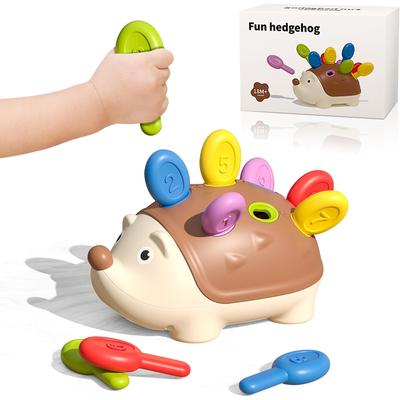
Tiny Tots Teens Trends Montessori Educational Toy, Hedgehog Fine Motor Skills, Toddler Counting, Sensory Development Montessori Educational Toy, Hedgehog Fine Motor Skills, Toddler Counting, Sensory DevelopmentHedgehog Montessori Educational Toy is a delightful and engaging learning tool designed to help toddlers develop essential fine motor skills, improve their concentration, and enhance sensory development. This toy promotes handson learning through...59,97 $*Shipping: 0,00 $Secure redirect to the provider
-
Playful Picks Montessori Hedgehog Color Sorting Educational Toddler Toy For Fine Motor Skills Development Montessori Hedgehog Color Sorting Educational Toddler Toy For Fine Motor Skills DevelopmentTurn early learning into a joyful daily adventure with a toy designed to spark curiosity and growth. The Montessori hedgehog toy is thoughtfully created for toddlers aged 13, helping them explore colors, counting, and coordination through handson...24,97 $*Shipping: 0,00 $Secure redirect to the provider
-
Learning Resources All About Me Family Counters Set of 72 - 72 Colorful Counters for Early Math Skills and Social Skills DevelopmentIntroducing the Learning Resources All About Me Family Counters Set of 72, a fun and educational tool designed to spark imagination and creativity in young learners. This vibrant set features a delightful array of family members, including parents, grandparents, and children, ideal for counting, sorting, and imaginative play. The set includes 72 colorful counters that are perfectly sized for little hands, making learning engaging and fun. The counters promote early math skills by encouraging counting, patterning, and sorting through playful activities. They also help develop social skills by fostering conversations about family dynamics and relationships. The All About Me Family Counters are suitable for a variety of settings, including home play, classroom activities, and birthday gifts. They are a great addition to any toy collection.18,19 £*Shipping: 3,95 £Secure redirect to the provider
-
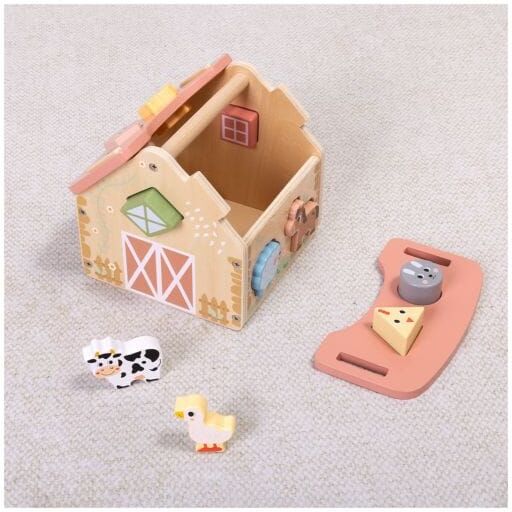
Tooky Toys Wooden Shape Sorter Barn - Toddler Toy for 3-4 Years - Fine Motor Skills DevelopmentWooden shape sorter barn designed for toddlers to practice spatial reasoning and fine motor control. Made from dense hardwood with sanded edges and low-VOC treatment. Includes chunky geometric blocks sized for small-hand grip strength. Each slot aligns with a specific block shape, reducing slippage. Smooth finish wipes clean after crayon marks or snack spills. Sturdy frame maintains integrity through stacking and drops. Reinforces visual discrimination and geometry vocabulary.11,08 £*Shipping: 3,95 £Secure redirect to the provider


-
What is the difference between fixed assets and current assets?
Fixed assets are long-term assets that a company owns and uses to generate revenue, such as buildings, machinery, and equipment. These assets are not easily converted into cash and are expected to provide benefits to the company for more than one year. On the other hand, current assets are short-term assets that can be easily converted into cash within one year, such as cash, accounts receivable, and inventory. Current assets are used to support the day-to-day operations of a business and are essential for its liquidity and short-term financial health. **
-
What is the difference between current assets and fixed assets?
Current assets are assets that are expected to be converted into cash or used up within one year, such as cash, accounts receivable, and inventory. Fixed assets, on the other hand, are long-term assets that are not expected to be converted into cash within one year, such as property, plant, and equipment. In summary, current assets are short-term assets that are expected to be used up or converted into cash within one year, while fixed assets are long-term assets that are used to generate income over a longer period of time. **
-
How does the flight into tangible assets characterize an inflationary development?
The flight into tangible assets characterizes an inflationary development because it reflects a lack of confidence in traditional financial assets such as stocks, bonds, and currencies. When inflation is high, the value of these financial assets may be eroded, leading investors to seek out tangible assets such as real estate, commodities, and precious metals as a store of value. This flight into tangible assets can drive up their prices, further exacerbating inflationary pressures in the economy. Additionally, the demand for tangible assets may also be driven by the perception that they will retain their value better than financial assets during periods of high inflation. **
-
How does the escape into tangible assets characterize an inflationary development?
The escape into tangible assets characterizes an inflationary development because individuals and investors seek to protect the value of their wealth from the eroding effects of inflation by investing in assets that have intrinsic value and are less susceptible to price fluctuations. Tangible assets such as real estate, precious metals, and commodities tend to retain their value or even increase in price during inflationary periods, making them a popular choice for hedging against inflation. This shift in investment behavior towards tangible assets can further fuel inflationary pressures as demand for these assets increases, leading to higher prices and contributing to the overall inflationary environment. **
How is equity, debt capital, current assets, and fixed assets combined?
Equity, debt capital, current assets, and fixed assets are combined on a company's balance sheet. Equity represents the ownership interest of the shareholders, while debt capital represents the funds borrowed by the company. Current assets, such as cash, inventory, and accounts receivable, are combined with fixed assets, such as property, plant, and equipment, to represent the total assets of the company. These components are combined to provide a snapshot of the company's financial position and to show how the company has financed its operations and investments. **
What are brand assets?
Brand assets are the elements that contribute to the overall value and recognition of a brand. These can include tangible assets such as logos, slogans, and packaging, as well as intangible assets like brand reputation, customer loyalty, and brand associations. Brand assets help to differentiate a brand from its competitors, build brand awareness, and create a strong brand identity in the minds of consumers. They are essential for establishing a brand's presence in the market and fostering long-term relationships with customers. **
Top-Angebote
Products related to Assets:
-
Grandpa Beck’s Games Cover Your Assets Card Game - Easy Matching Stealing Game for Family 8+Lively card game for family and friends. Players match and steal sets of valuables. Includes piggy banks, jewelry, classic cars. 4-6 players. Ages 7+. Easy-to-learn gameplay.13,59 £*Shipping: 3,95 £Secure redirect to the provider
-
Plata Publishing FAKE: Fake Money, Fake Teachers, Fake Assets & Rich Dad Poor Dad By Robert T. Kiyosaki 2 Books Collection SetFAKE: Fake Money, Fake Teachers, Fake Assets & Rich Dad Poor Dad By Robert T. Kiyosaki 2 Books Collection Set: FAKE: Fake Money, Fake Teachers, Fake Assets: In FAKE: Fake Money, Fake Teachers, Fake Assets, Robert delivers insights and answers that help ordinary people―who probably haven’t had a lot of financial education―determine what’s ‘real’ and relevant to their financial lives. Every day we are bombarded with news reports and information and opinions… How do we decipher fact from fiction? How do we differentiate between truth and lies? And determine what’s real… from what isn’t? Kiyosaki believes that it starts with education, financial education designed to make us smarter with our money―and able to fight what’s fake and use what isn’t to secure our financial future. Rich Dad Poor Dad: Rich Dad Poor Dad is Robert's story of growing up with two dads — his real father and the father of his best friend, his rich dad — and the ways in which both men shaped his thoughts about money and investing. The book explodes the myth that you need to earn a high income to be rich and explains the difference between working for money and having your money work for you.12,95 £*Shipping: 2,99 £Secure redirect to the provider
-
Tiny Tots Teens Trends Montessori Educational Toy, Hedgehog Fine Motor Skills, Toddler Counting, Sensory Development Montessori Educational Toy, Hedgehog Fine Motor Skills, Toddler Counting, Sensory DevelopmentHedgehog Montessori Educational Toy is a delightful and engaging learning tool designed to help toddlers develop essential fine motor skills, improve their concentration, and enhance sensory development. This toy promotes handson learning through...59,97 $*Shipping: 0,00 $Secure redirect to the provider
-
Playful Picks Montessori Hedgehog Color Sorting Educational Toddler Toy For Fine Motor Skills Development Montessori Hedgehog Color Sorting Educational Toddler Toy For Fine Motor Skills DevelopmentTurn early learning into a joyful daily adventure with a toy designed to spark curiosity and growth. The Montessori hedgehog toy is thoughtfully created for toddlers aged 13, helping them explore colors, counting, and coordination through handson...24,97 $*Shipping: 0,00 $Secure redirect to the provider
-
From when does assets count as exempt assets?
Assets are considered exempt assets when they meet specific criteria set by the government or relevant authorities. These criteria may include the type of asset, its value, and the purpose for which it is held. Exempt assets are typically protected from being seized or liquidated in certain situations, such as bankruptcy or legal proceedings. It is important to understand the rules and regulations governing exempt assets to ensure proper protection and planning for financial security. **
-
What is the difference between net assets and operating assets?
Net assets refer to the total assets of a company minus its total liabilities, representing the company's equity or ownership value. On the other hand, operating assets are the assets that a company uses in its day-to-day operations to generate revenue. Operating assets are a subset of net assets and include items such as inventory, equipment, and accounts receivable. In summary, net assets represent the overall financial position of a company, while operating assets specifically pertain to the assets used in the company's core business activities. **
-
What is the difference between fixed assets and current assets?
Fixed assets are long-term assets that a company owns and uses to generate revenue, such as buildings, machinery, and equipment. These assets are not easily converted into cash and are expected to provide benefits to the company for more than one year. On the other hand, current assets are short-term assets that can be easily converted into cash within one year, such as cash, accounts receivable, and inventory. Current assets are used to support the day-to-day operations of a business and are essential for its liquidity and short-term financial health. **
-
What is the difference between current assets and fixed assets?
Current assets are assets that are expected to be converted into cash or used up within one year, such as cash, accounts receivable, and inventory. Fixed assets, on the other hand, are long-term assets that are not expected to be converted into cash within one year, such as property, plant, and equipment. In summary, current assets are short-term assets that are expected to be used up or converted into cash within one year, while fixed assets are long-term assets that are used to generate income over a longer period of time. **
Similar search terms for Assets
-
Learning Resources All About Me Family Counters Set of 72 - 72 Colorful Counters for Early Math Skills and Social Skills DevelopmentIntroducing the Learning Resources All About Me Family Counters Set of 72, a fun and educational tool designed to spark imagination and creativity in young learners. This vibrant set features a delightful array of family members, including parents, grandparents, and children, ideal for counting, sorting, and imaginative play. The set includes 72 colorful counters that are perfectly sized for little hands, making learning engaging and fun. The counters promote early math skills by encouraging counting, patterning, and sorting through playful activities. They also help develop social skills by fostering conversations about family dynamics and relationships. The All About Me Family Counters are suitable for a variety of settings, including home play, classroom activities, and birthday gifts. They are a great addition to any toy collection.18,19 £*Shipping: 3,95 £Secure redirect to the provider
-
Tooky Toys Wooden Shape Sorter Barn - Toddler Toy for 3-4 Years - Fine Motor Skills DevelopmentWooden shape sorter barn designed for toddlers to practice spatial reasoning and fine motor control. Made from dense hardwood with sanded edges and low-VOC treatment. Includes chunky geometric blocks sized for small-hand grip strength. Each slot aligns with a specific block shape, reducing slippage. Smooth finish wipes clean after crayon marks or snack spills. Sturdy frame maintains integrity through stacking and drops. Reinforces visual discrimination and geometry vocabulary.11,08 £*Shipping: 3,95 £Secure redirect to the provider
-
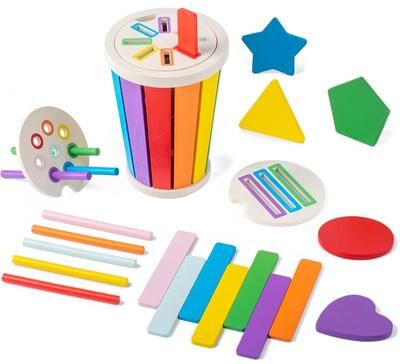
Youfap Market Montessori Wooden Shape Sorting Toy For Toddlers, Color Matching & Fine Motor Skills Development aGive your toddler a head start in learning with this Montessori wooden shape sorting toy. Designed for young learners, it helps build fine motor skills through colorful and interactive matching games. Perfect for kids ages 3 and up, this educational...64,97 $*Shipping: 0,00 $Secure redirect to the provider
-
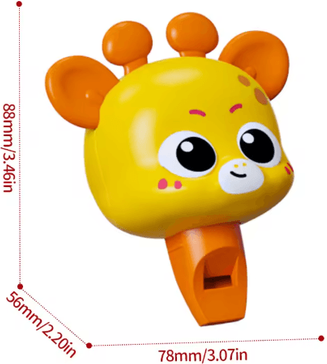
Inspire Picks Interactive Giraffe Suction Cup Toy Multifunctional Sensory Learning And Motor Skills Development Toy whistleEncourage handson learning and playful discovery with this interactive giraffe toy designed for growing minds. Featuring a strong suction cup base, it easily attaches to smooth surfaces for stable, engaging play at home or on the go. Made from safe,...34,93 $*Shipping: 0,00 $Secure redirect to the provider
-
How does the flight into tangible assets characterize an inflationary development?
The flight into tangible assets characterizes an inflationary development because it reflects a lack of confidence in traditional financial assets such as stocks, bonds, and currencies. When inflation is high, the value of these financial assets may be eroded, leading investors to seek out tangible assets such as real estate, commodities, and precious metals as a store of value. This flight into tangible assets can drive up their prices, further exacerbating inflationary pressures in the economy. Additionally, the demand for tangible assets may also be driven by the perception that they will retain their value better than financial assets during periods of high inflation. **
-
How does the escape into tangible assets characterize an inflationary development?
The escape into tangible assets characterizes an inflationary development because individuals and investors seek to protect the value of their wealth from the eroding effects of inflation by investing in assets that have intrinsic value and are less susceptible to price fluctuations. Tangible assets such as real estate, precious metals, and commodities tend to retain their value or even increase in price during inflationary periods, making them a popular choice for hedging against inflation. This shift in investment behavior towards tangible assets can further fuel inflationary pressures as demand for these assets increases, leading to higher prices and contributing to the overall inflationary environment. **
-
How is equity, debt capital, current assets, and fixed assets combined?
Equity, debt capital, current assets, and fixed assets are combined on a company's balance sheet. Equity represents the ownership interest of the shareholders, while debt capital represents the funds borrowed by the company. Current assets, such as cash, inventory, and accounts receivable, are combined with fixed assets, such as property, plant, and equipment, to represent the total assets of the company. These components are combined to provide a snapshot of the company's financial position and to show how the company has financed its operations and investments. **
-
What are brand assets?
Brand assets are the elements that contribute to the overall value and recognition of a brand. These can include tangible assets such as logos, slogans, and packaging, as well as intangible assets like brand reputation, customer loyalty, and brand associations. Brand assets help to differentiate a brand from its competitors, build brand awareness, and create a strong brand identity in the minds of consumers. They are essential for establishing a brand's presence in the market and fostering long-term relationships with customers. **
* All prices are inclusive of VAT and, if applicable, plus shipping costs. The offer information is based on the details provided by the respective shop and is updated through automated processes. Real-time updates do not occur, so deviations can occur in individual cases. ** Note: Parts of this content were created by AI.