Buy manpowerquiz.eu ?
We are moving the project
manpowerquiz.eu .
Are you interested in purchasing the domain
manpowerquiz.eu ?
domain@kv-gmbh.de · 0541-91531010
Buy manpowerquiz.eu ?
Which plants are decomposers or decomposers?
Decomposers are organisms that break down dead organic matter, such as leaves, wood, and other plant material. Fungi, such as mushrooms and molds, are the primary decomposers in most ecosystems. Some bacteria and insects also play a role in decomposition. Plants, on the other hand, are not typically decomposers. They are usually producers, using sunlight to create energy through photosynthesis. **
What are decomposers?
Decomposers are organisms that break down dead organic matter, such as dead plants and animals, into simpler substances. They play a crucial role in the ecosystem by recycling nutrients back into the soil, which can then be used by plants for growth. Examples of decomposers include bacteria, fungi, and certain types of insects. Without decomposers, dead organic matter would accumulate and nutrients would not be recycled, leading to a disruption in the balance of the ecosystem. **

Similar search terms for Decomposers
Top-Angebote
Products related to Decomposers:
-
Learning Resources All About Me Family Counters Set of 72 - 72 Colorful Counters for Early Math Skills and Social Skills DevelopmentIntroducing the Learning Resources All About Me Family Counters Set of 72, a fun and educational tool designed to spark imagination and creativity in young learners. This vibrant set features a delightful array of family members, including parents, grandparents, and children, ideal for counting, sorting, and imaginative play. The set includes 72 colorful counters that are perfectly sized for little hands, making learning engaging and fun. The counters promote early math skills by encouraging counting, patterning, and sorting through playful activities. They also help develop social skills by fostering conversations about family dynamics and relationships. The All About Me Family Counters are suitable for a variety of settings, including home play, classroom activities, and birthday gifts. They are a great addition to any toy collection.18,19 £*Shipping: 3,95 £Secure redirect to the provider
-
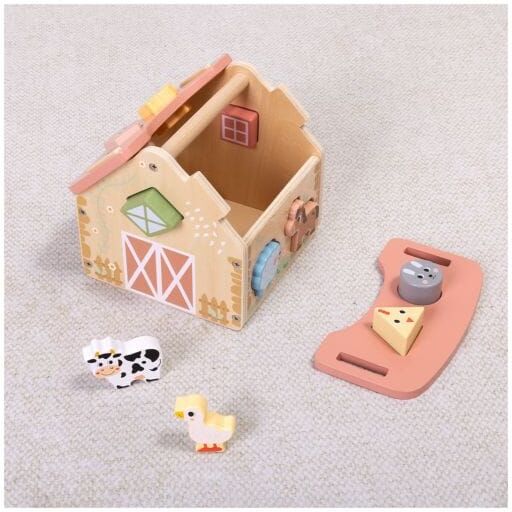
Tooky Toys Wooden Shape Sorter Barn - Toddler Toy for 3-4 Years - Fine Motor Skills DevelopmentWooden shape sorter barn designed for toddlers to practice spatial reasoning and fine motor control. Made from dense hardwood with sanded edges and low-VOC treatment. Includes chunky geometric blocks sized for small-hand grip strength. Each slot aligns with a specific block shape, reducing slippage. Smooth finish wipes clean after crayon marks or snack spills. Sturdy frame maintains integrity through stacking and drops. Reinforces visual discrimination and geometry vocabulary.11,08 £*Shipping: 3,95 £Secure redirect to the provider
-
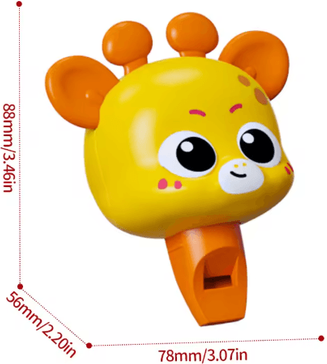
Inspire Picks Interactive Giraffe Suction Cup Toy Multifunctional Sensory Learning And Motor Skills Development Toy whistleEncourage handson learning and playful discovery with this interactive giraffe toy designed for growing minds. Featuring a strong suction cup base, it easily attaches to smooth surfaces for stable, engaging play at home or on the go. Made from safe,...34,93 $*Shipping: 0,00 $Secure redirect to the provider
-
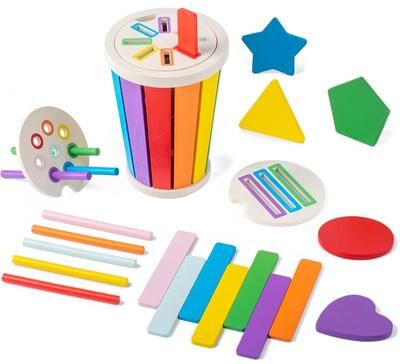
Youfap Market Montessori Wooden Shape Sorting Toy For Toddlers, Color Matching & Fine Motor Skills Development aGive your toddler a head start in learning with this Montessori wooden shape sorting toy. Designed for young learners, it helps build fine motor skills through colorful and interactive matching games. Perfect for kids ages 3 and up, this educational...64,97 $*Shipping: 0,00 $Secure redirect to the provider

-
Are these the decomposers?
Yes, the organisms in the image are decomposers. Decomposers are organisms that break down dead organic matter, such as leaves, wood, and other plant material, into simpler substances. They play a crucial role in the ecosystem by recycling nutrients and returning them to the soil for use by plants. The organisms in the image appear to be fungi and bacteria, which are common decomposers in many ecosystems. **
-
What are producers, consumers, and decomposers?
Producers are organisms that create their own food through photosynthesis or chemosynthesis, such as plants and some types of bacteria. Consumers are organisms that obtain their energy by consuming other organisms, such as animals that eat plants or other animals. Decomposers are organisms that break down dead organic matter, such as fungi and bacteria, returning nutrients to the soil for producers to use again. Together, these three groups play a vital role in the flow of energy and nutrients in an ecosystem. **
-
What is a good explanation for decomposers?
Decomposers play a crucial role in ecosystems by breaking down dead organic matter, such as plants and animals, into simpler substances. This process releases nutrients back into the soil, which can then be used by plants for growth. Without decomposers, dead organic matter would accumulate, leading to a decrease in nutrient availability and hindering the recycling of essential elements in the ecosystem. Ultimately, decomposers help maintain the balance and health of ecosystems by facilitating the breakdown and recycling of organic matter. **
-
What are the tasks of the decomposers?
Decomposers play a crucial role in breaking down dead organic matter, such as dead plants and animals, into simpler substances like carbon dioxide, water, and minerals. By doing so, they help to recycle nutrients back into the ecosystem, making them available for other organisms to use. Decomposers also help to clean up and remove waste from the environment, contributing to the overall health and balance of ecosystems. **
Do decomposers exist in desert ecosystems at all?
Yes, decomposers do exist in desert ecosystems. While the extreme conditions of deserts, such as low moisture and high temperatures, can limit the abundance and diversity of decomposers, there are still organisms that play a role in breaking down organic matter. These may include bacteria, fungi, and invertebrates like termites and ants. Their activity is important for nutrient cycling and soil formation in desert environments. **
What is the energy source for consumers, producers, and decomposers?
The energy source for consumers, producers, and decomposers is the sun. Producers, such as plants, use sunlight to convert carbon dioxide and water into energy through the process of photosynthesis. Consumers, such as animals, obtain their energy by consuming producers or other consumers. Decomposers, such as bacteria and fungi, break down organic matter and release the energy stored in the matter back into the ecosystem. Ultimately, all energy in an ecosystem can be traced back to the sun. **
Top-Angebote
Products related to Decomposers:
-
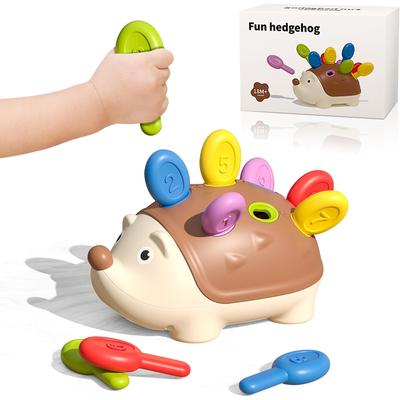
Tiny Tots Teens Trends Montessori Educational Toy, Hedgehog Fine Motor Skills, Toddler Counting, Sensory Development Montessori Educational Toy, Hedgehog Fine Motor Skills, Toddler Counting, Sensory DevelopmentHedgehog Montessori Educational Toy is a delightful and engaging learning tool designed to help toddlers develop essential fine motor skills, improve their concentration, and enhance sensory development. This toy promotes handson learning through...59,97 $*Shipping: 0,00 $Secure redirect to the provider
-
Playful Picks Montessori Hedgehog Color Sorting Educational Toddler Toy For Fine Motor Skills Development Montessori Hedgehog Color Sorting Educational Toddler Toy For Fine Motor Skills DevelopmentTurn early learning into a joyful daily adventure with a toy designed to spark curiosity and growth. The Montessori hedgehog toy is thoughtfully created for toddlers aged 13, helping them explore colors, counting, and coordination through handson...24,97 $*Shipping: 0,00 $Secure redirect to the provider
-
Learning Resources All About Me Family Counters Set of 72 - 72 Colorful Counters for Early Math Skills and Social Skills DevelopmentIntroducing the Learning Resources All About Me Family Counters Set of 72, a fun and educational tool designed to spark imagination and creativity in young learners. This vibrant set features a delightful array of family members, including parents, grandparents, and children, ideal for counting, sorting, and imaginative play. The set includes 72 colorful counters that are perfectly sized for little hands, making learning engaging and fun. The counters promote early math skills by encouraging counting, patterning, and sorting through playful activities. They also help develop social skills by fostering conversations about family dynamics and relationships. The All About Me Family Counters are suitable for a variety of settings, including home play, classroom activities, and birthday gifts. They are a great addition to any toy collection.18,19 £*Shipping: 3,95 £Secure redirect to the provider
-
Tooky Toys Wooden Shape Sorter Barn - Toddler Toy for 3-4 Years - Fine Motor Skills DevelopmentWooden shape sorter barn designed for toddlers to practice spatial reasoning and fine motor control. Made from dense hardwood with sanded edges and low-VOC treatment. Includes chunky geometric blocks sized for small-hand grip strength. Each slot aligns with a specific block shape, reducing slippage. Smooth finish wipes clean after crayon marks or snack spills. Sturdy frame maintains integrity through stacking and drops. Reinforces visual discrimination and geometry vocabulary.11,08 £*Shipping: 3,95 £Secure redirect to the provider
-
Which plants are decomposers or decomposers?
Decomposers are organisms that break down dead organic matter, such as leaves, wood, and other plant material. Fungi, such as mushrooms and molds, are the primary decomposers in most ecosystems. Some bacteria and insects also play a role in decomposition. Plants, on the other hand, are not typically decomposers. They are usually producers, using sunlight to create energy through photosynthesis. **
-
What are decomposers?
Decomposers are organisms that break down dead organic matter, such as dead plants and animals, into simpler substances. They play a crucial role in the ecosystem by recycling nutrients back into the soil, which can then be used by plants for growth. Examples of decomposers include bacteria, fungi, and certain types of insects. Without decomposers, dead organic matter would accumulate and nutrients would not be recycled, leading to a disruption in the balance of the ecosystem. **
-
Are these the decomposers?
Yes, the organisms in the image are decomposers. Decomposers are organisms that break down dead organic matter, such as leaves, wood, and other plant material, into simpler substances. They play a crucial role in the ecosystem by recycling nutrients and returning them to the soil for use by plants. The organisms in the image appear to be fungi and bacteria, which are common decomposers in many ecosystems. **
-
What are producers, consumers, and decomposers?
Producers are organisms that create their own food through photosynthesis or chemosynthesis, such as plants and some types of bacteria. Consumers are organisms that obtain their energy by consuming other organisms, such as animals that eat plants or other animals. Decomposers are organisms that break down dead organic matter, such as fungi and bacteria, returning nutrients to the soil for producers to use again. Together, these three groups play a vital role in the flow of energy and nutrients in an ecosystem. **
Similar search terms for Decomposers
-
Inspire Picks Interactive Giraffe Suction Cup Toy Multifunctional Sensory Learning And Motor Skills Development Toy whistleEncourage handson learning and playful discovery with this interactive giraffe toy designed for growing minds. Featuring a strong suction cup base, it easily attaches to smooth surfaces for stable, engaging play at home or on the go. Made from safe,...34,93 $*Shipping: 0,00 $Secure redirect to the provider
-
Youfap Market Montessori Wooden Shape Sorting Toy For Toddlers, Color Matching & Fine Motor Skills Development aGive your toddler a head start in learning with this Montessori wooden shape sorting toy. Designed for young learners, it helps build fine motor skills through colorful and interactive matching games. Perfect for kids ages 3 and up, this educational...64,97 $*Shipping: 0,00 $Secure redirect to the provider
-
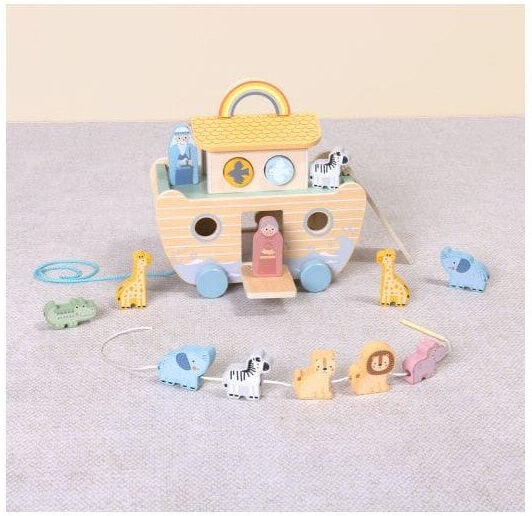
Tooky Toys Wooden Noah's Ark - Biblical Playset for Kids - Language Development - Fine Motor Skills - Creative Storytelling - NewTransform biblical storytelling and imaginative role-play with the Tooky Toys Wooden Noah's Ark. This tactile wooden playset serves as a central anchor for reenacting the classic voyage, allowing children to manipulate pieces, organize characters, and narrate their own version of the journey. Built to be durable, the ark provides a sturdy platform for hands-on exploration that grows with your child's developing creativity. This playset encourages children to extend their vocabulary and build sequencing skills as they describe scenes, plan the voyage progression, and retell events in their own voice. It also helps develop fine motor skills through handling, gripping, and precisely placing figures within the ark. The ark is designed as a canvas, inviting kids to invent dialogue, unexpected stops, and creative resolutions to their stories.15,59 £*Shipping: 3,95 £Secure redirect to the provider
-
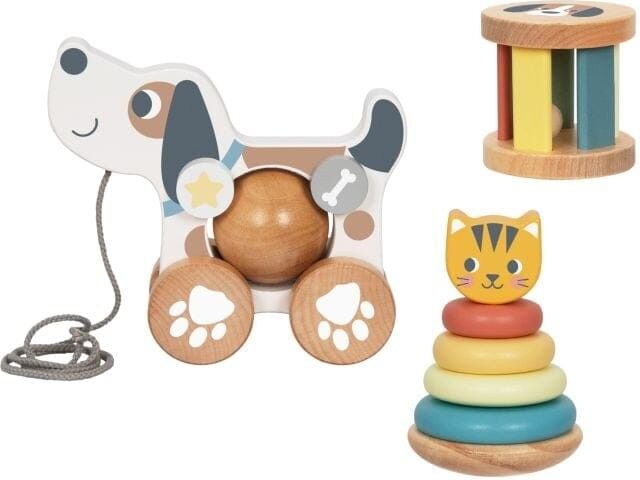
Tooky Toys Wooden 3 in 1 Gift Box - Develops Fine Motor Skills & Boosts Cognitive Development for KidsCompact toy with playful puppy design offering spinning, stacking, shape sorting, and pulling challenges. Solid wooden construction for durability and timeless appeal.18,47 £*Shipping: 3,95 £Secure redirect to the provider
-
What is a good explanation for decomposers?
Decomposers play a crucial role in ecosystems by breaking down dead organic matter, such as plants and animals, into simpler substances. This process releases nutrients back into the soil, which can then be used by plants for growth. Without decomposers, dead organic matter would accumulate, leading to a decrease in nutrient availability and hindering the recycling of essential elements in the ecosystem. Ultimately, decomposers help maintain the balance and health of ecosystems by facilitating the breakdown and recycling of organic matter. **
-
What are the tasks of the decomposers?
Decomposers play a crucial role in breaking down dead organic matter, such as dead plants and animals, into simpler substances like carbon dioxide, water, and minerals. By doing so, they help to recycle nutrients back into the ecosystem, making them available for other organisms to use. Decomposers also help to clean up and remove waste from the environment, contributing to the overall health and balance of ecosystems. **
-
Do decomposers exist in desert ecosystems at all?
Yes, decomposers do exist in desert ecosystems. While the extreme conditions of deserts, such as low moisture and high temperatures, can limit the abundance and diversity of decomposers, there are still organisms that play a role in breaking down organic matter. These may include bacteria, fungi, and invertebrates like termites and ants. Their activity is important for nutrient cycling and soil formation in desert environments. **
-
What is the energy source for consumers, producers, and decomposers?
The energy source for consumers, producers, and decomposers is the sun. Producers, such as plants, use sunlight to convert carbon dioxide and water into energy through the process of photosynthesis. Consumers, such as animals, obtain their energy by consuming producers or other consumers. Decomposers, such as bacteria and fungi, break down organic matter and release the energy stored in the matter back into the ecosystem. Ultimately, all energy in an ecosystem can be traced back to the sun. **
* All prices are inclusive of VAT and, if applicable, plus shipping costs. The offer information is based on the details provided by the respective shop and is updated through automated processes. Real-time updates do not occur, so deviations can occur in individual cases. ** Note: Parts of this content were created by AI.